
Digital Flexo Plate Processor: Precision and Consistency in Modern Flexographic Plate Making
The flexographic printing industry has evolved rapidly with the increasing demand for high-quality packaging, faster production timelines, and consistent print results. Industries such as FMCG, food packaging, pharmaceuticals, and labeling rely heavily on flexographic printing to deliver accurate and visually appealing output.
While technologies like CTP and LED exposure have transformed plate imaging, one of the most critical stages in the entire workflow is plate processing. This is where the digital flexo plate processor plays a vital role.
A digital flexo plate processor ensures that flexographic plates are developed with precision after exposure, maintaining accurate dot structure, relief depth, and surface quality. Without proper processing, even the best imaging and exposure cannot deliver optimal print results.
Anchor India Automations, a trusted dealer and supplier of flexo plate-making equipment, supports printing companies by providing advanced processing solutions that improve consistency, efficiency, and overall production performance.
What is a Digital Flexo Plate Processor?
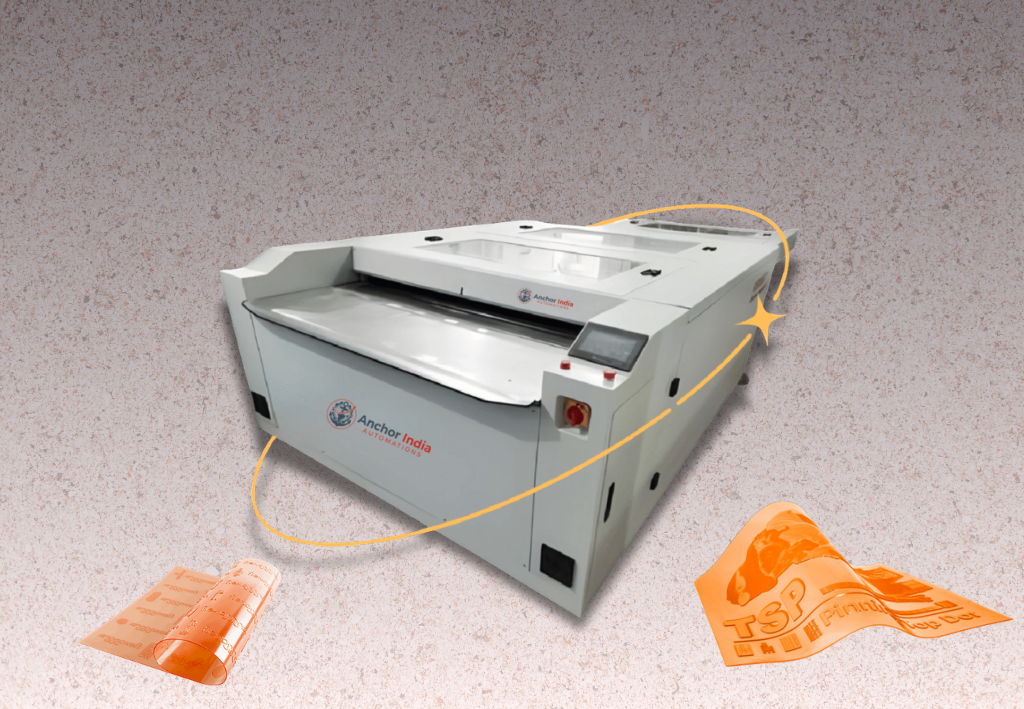
A digital flexo plate processor is a machine used in the plate-making process to develop photopolymer plates after digital imaging and exposure.
During exposure, specific areas of the plate harden to form the printing image, while unexposed areas remain soft. The processor removes these unexposed areas using controlled washout systems, creating the raised printing surface required for flexographic printing.
This stage is critical because it physically defines the printing image on the plate.
Why Plate Processing is Critical
Plate processing is one of the most sensitive stages in flexo plate-making. Even small variations during this stage can affect the final print output.
Improper processing can lead to:
● Loss of fine details
● Uneven relief depth
● Weak highlights
● Poor ink transfer
● Inconsistent print quality
A high-quality digital flexo plate processor ensures that every plate is developed accurately and consistently.
How a Digital Flexo Plate Processor Works
A digital flexo plate processor uses controlled washout systems to develop the plate.
Working Process:
1. Plate Loading
The exposed plate is placed inside the processor.
2. Application of Washout Medium
Solvent or water-based solutions are used to soften unexposed polymer.
3. Brushing Mechanism
Rotating brushes remove the softened material from the plate surface.
4. Controlled Parameters
Temperature, speed, and pressure are maintained precisely.
5. Plate Development
The plate develops a raised image structure.
After processing, the plate moves to the drying stage.
Types of Digital Flexo Plate Processors
Digital flexo plate processors are categorized based on the type of washout system.
Solvent-Based Processors
● Use chemical solvents for plate development
● Strong cleaning performance
● Suitable for specific plate types
● Require solvent recovery systems
Water-Based Processors
● Use water and detergents
● More environmentally friendly
● Lower chemical usage
● Require efficient drying systems
The choice depends on production requirements and plate specifications.
Anchor India Automations: Reliable Supplier for Digital Flexo Plate Processors
Anchor India Automations is a trusted dealer and supplier of flexo plate-making equipment, providing advanced processing solutions for modern printing businesses.
The company offers high-performance systems such as:
● Fifth Generation Wired HD Flexo Plate Processor
● Advanced digital processing systems for precise plate development
In addition, Anchor India Automations supplies complete plate-making solutions, including:
● Digital Flexo CTP machines
● LED exposure systems
● Plate dryers
● Light finishing systems
● Solvent recovery systems
Key Features of a Digital Flexo Plate Processor
A modern digital flexo plate processor offers several advanced features:
Controlled Washout System
Ensures consistent removal of unexposed polymer.
Adjustable Speed and Temperature
Allows customization based on plate type.
Uniform Brushing Mechanism
Ensures even plate development without damaging details.
Stable Processing Conditions
Maintains consistent quality across all plates.
Durable Construction
Designed for continuous industrial use.
Benefits of Using a Digital Flexo Plate Processor
Consistent Plate Quality
Automation ensures uniform processing conditions.
Improved Print Performance
Accurate plate development results in better ink transfer and sharper prints.
Reduced Plate Rejection
Minimizes defects and improves efficiency.
Faster Production
Speeds up the plate-making process.
Cost Efficiency
Reduces waste and operational costs.
Role of Digital Flexo Plate Processor in Workflow
The processor is a key stage in the plate-making process.
Complete Workflow:
1. Digital imaging (CTP machine)
2. Plate exposure
3. Plate processing (Digital Flexo Plate Processor)
4. Plate drying
5. Light finishing
6. Plate stabilization
The processor is where the physical printing image is created.
Integration with Other Equipment
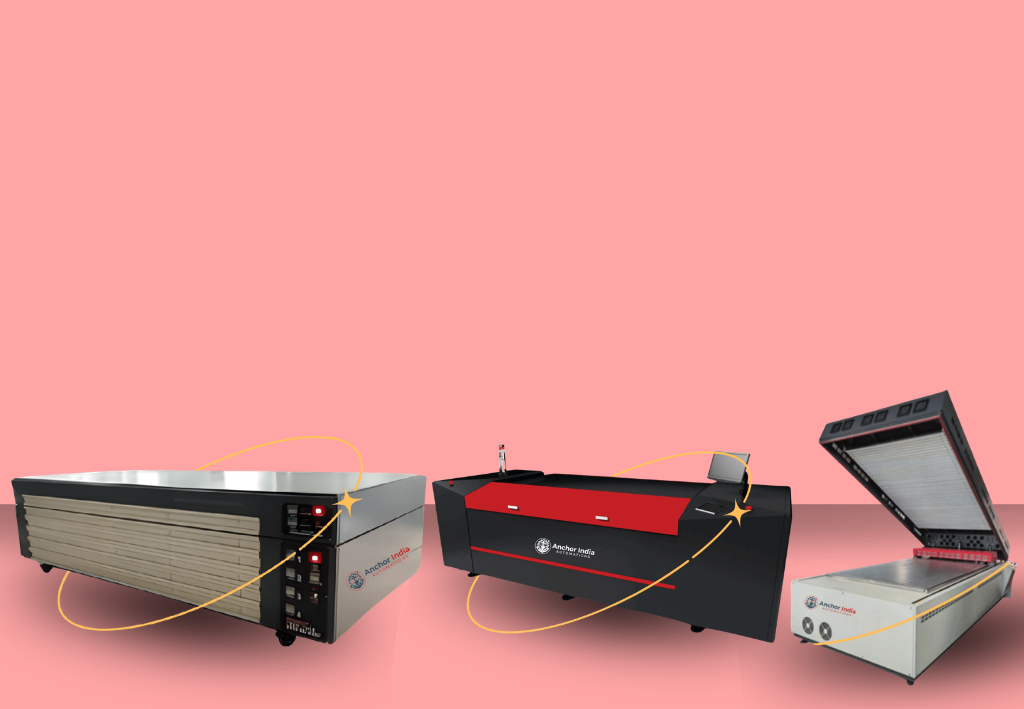
A digital flexo plate processor works with other machines:
Digital Flexo CTP Machine
Creates the digital image on the plate.
LED Exposure System
Transfers the image onto the plate.
Plate Dryer
Removes moisture or solvent.
Light Finishing System
Strengthens the plate.
Solvent Recovery System
Recycles solvents used during processing.
Together, these machines create a complete plate-making setup.
Importance of Automation in Plate Processing
Modern processors include automation features that allow precise control over:
● Washout time
● Temperature
● Brush speed
● Processing consistency
Advantages:
● Reduced human errors
● Consistent results
● Improved efficiency
● Faster production
Automation ensures repeatable quality
Applications of Digital Flexo Plate Processors
These processors are used in industries such as:
● Flexible packaging
● Label printing
● Corrugated packaging
● Food packaging
● Pharmaceutical packaging
● FMCG products
High-quality plate processing is essential for these applications.
Choosing the Right Digital Flexo Plate Processor
When selecting a processor, businesses should consider:
Plate Compatibility
Supports different plate types.
Production Capacity
Matches required output.
Processing Technology
Choose between solvent or water-based systems.
Automation Level
Higher automation improves consistency.
Supplier Support
Reliable supplier ensures long-term success.
Why Choose Anchor India Automations
Anchor India Automations is a trusted partner for flexographic printing businesses.
Industry Expertise
Deep understanding of plate-making processes.
Complete Equipment Solutions
Provides machines for the entire workflow.
Reliable Equipment Supply
Works with advanced technology providers.
Customer-Focused Approach
Offers tailored solutions.
Future of Digital Flexo Plate Processing
The flexographic printing industry continues to advance with new technologies.
Future trends include:
● High-definition plate processing
● Fully automated systems
● Energy-efficient machines
● Smart monitoring systems
Digital flexo plate processors will remain essential in achieving high-quality printing.
Conclusion
A digital flexo plate processor is a critical component of modern flexographic plate-making. It ensures accurate plate development, enabling consistent and high-quality printing results.
For printing companies looking to improve efficiency and maintain high standards, investing in reliable equipment is essential.
As a trusted dealer and supplier of flexo plate-making equipment, Anchor India Automations supports businesses with advanced solutions, including:
● Digital Flexo CTP machines
● LED exposure systems
● Flexo plate processors
● Plate dryers
● Light finishing systems
● Solvent recovery systems
With the right equipment and support, printing companies can achieve better productivity, consistent quality, and long-term success.
Frequently Asked Questions – Digital Flexo Plate Processor
1. What is a digital flexo plate processor?
A digital flexo plate processor is an advanced machine used in the flexographic printing industry for processing digital printing plates with high accuracy and consistency. It helps in washing, drying, exposing, and finishing flexo plates to achieve excellent print quality for packaging, labels, and commercial printing applications.
2. Why is a digital flexo plate processor important in flexographic printing?
The digital flexo plate processor plays a vital role in delivering precise image reproduction, sharp print quality, and faster production cycles. It reduces manual errors, improves plate durability, and enhances overall printing efficiency, making it an essential solution for modern flexographic printing businesses.
3. What industries use digital flexo plate processors?
Industries such as packaging, corrugated box manufacturing, label printing, flexible packaging, and commercial printing widely use digital flexo plate processors. These machines are ideal for businesses looking for reliable and high-quality flexographic plate processing solutions.
4. What are the benefits of using a digital flexo plate processor?
A digital flexo plate processor offers several benefits, including improved print accuracy, reduced processing time, consistent plate quality, lower maintenance requirements, and cost-effective production. It also supports better workflow automation for printing businesses.
5. How does Anchor India Automations support flexographic printing businesses?
At Anchor India Automations, we provide innovative and reliable digital flexo plate processor solutions designed for the Indian printing industry. Our team focuses on delivering precision-driven equipment, technical expertise, and dependable customer support to help businesses achieve superior printing performance.
6. Are digital flexo plate processors suitable for small and large printing units?
Yes, digital flexo plate processors are suitable for both small-scale and large-scale printing operations. These machines are designed to improve productivity, reduce wastage, and maintain consistent print quality regardless of production volume.
7. What features should I look for in a digital flexo plate processor?
When selecting a digital flexo plate processor, you should consider features such as automatic temperature control, energy efficiency, uniform plate washing, easy operation, durability, and low maintenance. High-quality processing technology ensures better printing results and long-term performance.
8. Does Anchor India Automations provide complete flexo plate processing solutions?
Yes, Anchor India Automations offers complete flexographic printing solutions, including digital flexo plate processors, co-branded processing equipment, and finishing systems. Our goal is to provide cost-effective and efficient solutions tailored to the needs of the Indian printing market.
9. How does a digital flexo plate processor improve print quality?
A digital flexo plate processor ensures accurate plate development, proper exposure, and uniform finishing, which directly improves print sharpness, color consistency, and image clarity. This results in high-quality printing output for packaging and labeling applications.
10. Why choose Anchor India Automations for digital flexo plate processors?
Anchor India Automations is committed to innovation, quality, and customer satisfaction. Founded by experienced and passionate entrepreneurs, we focus on delivering advanced digital flexo plate processor solutions that combine performance, affordability, and reliable after-sales support for printing businesses across India.